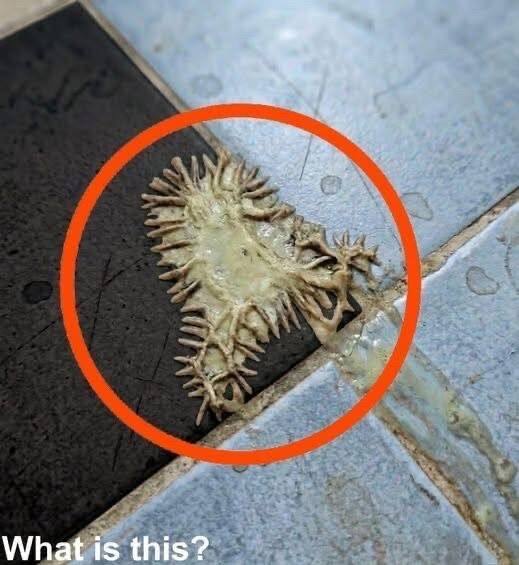
🪱 Parasitism
Parasitism is a type of relationship in biology where one organism (the parasite) benefits while the other organism (the host) is harmed.
🧬 Simple definition
Parasitism =
👉 One organism lives on or inside another and takes resources from it, causing damage or disease over time.
🐛 Examples in nature
🦟 1. Mosquitoes
- Feed on human blood
- Benefit: nutrition
- Harm: itching, disease transmission
🪱 2. Tapeworms
- Live inside intestines
- Absorb nutrients from host food
- Can cause weakness and weight loss
🪳 3. Lice
- Live on human scalp
- Feed on blood
- Cause itching and irritation
🌿 4. Mistletoe (plant parasite)
- Grows on trees
- Takes water and nutrients from host plant
⚖️ Key features
- Parasite benefits
- Host is harmed (but usually not killed immediately)
- Long-term relationship (unlike predators, which kill quickly)
🔄 Types of parasitism
- Ectoparasites → live outside host (ticks, lice)
- Endoparasites → live inside host (worms, protozoa)
- Obligate parasites → must live in a host to survive
🧠 Why it matters
Parasitism is important in:
- Medicine (understanding infections)
- Agriculture (crop protection)
- Ecology (balancing ecosystems)
🟢 Bottom line
Parasitism is a natural biological interaction where one organism benefits at the expense of another, and it exists in both animals, plants, and microorganisms.
If you want, I can also explain difference between parasitism, mutualism, and commensalism in a super easy chart.
