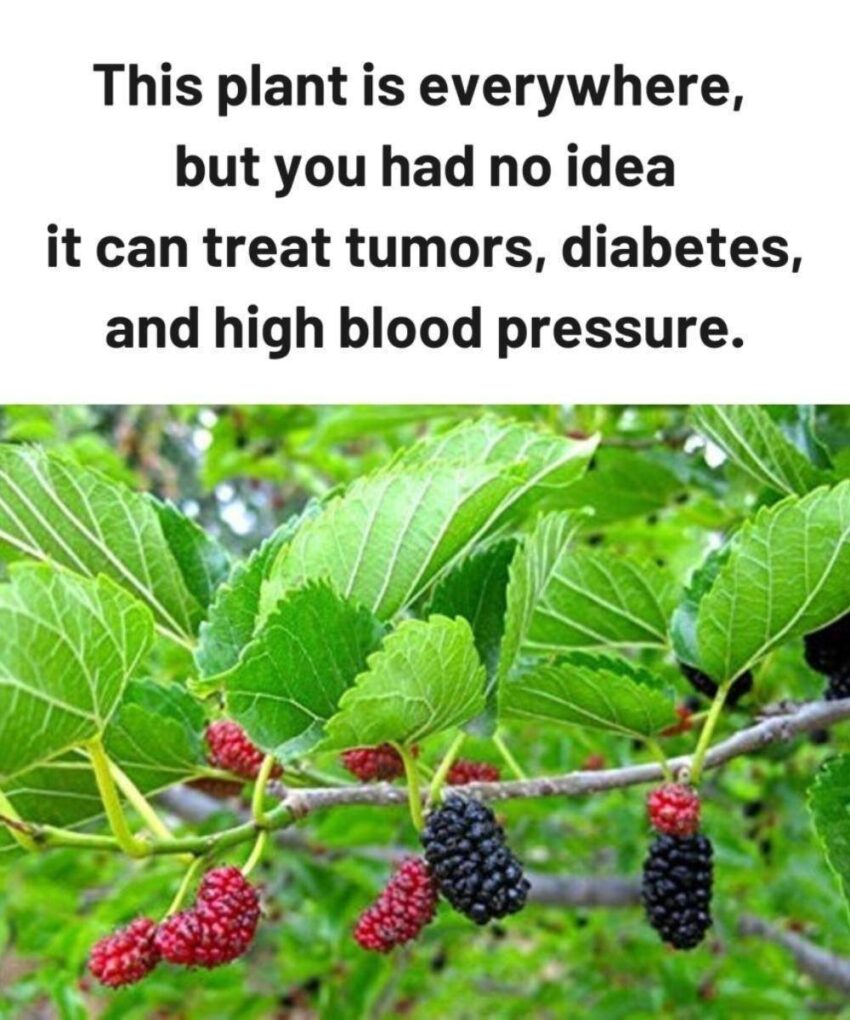
Morus alba is the white mulberry tree, a fast-growing plant native to China but now widely found across Asia, including Pakistan.
It is known for its sweet berries and medicinally used leaves.
🌳 Main features
- Medium-sized deciduous tree
- Produces white to pinkish berries (turn dark when ripe)
- Leaves are broad and used in silkworm farming
🍇 Uses
1. Fruit (mulberries)
- Eaten fresh or dried
- Used in jams, juices, desserts
- Naturally sweet and rich in antioxidants
2. Leaves
- Main food for silkworms (silk production)
- Used in herbal teas and traditional remedies
🧠 Traditional health uses
In herbal medicine, Morus alba is used for:
- Supporting blood sugar control
- Helping digestion
- Antioxidant support
- Mild anti-inflammatory effects
⚠️ These are traditional uses and early research findings, not guaranteed medical treatments.
⚠️ Safety notes
- Fresh fruit is generally safe
- Leaf extracts or supplements may affect blood sugar
- People on diabetes medication should be careful with concentrated forms
- Excess use may cause mild stomach upset
🧵 Interesting fact
The leaves of white mulberry are essential for feeding silkworms, which produce natural silk used in textiles.
✔️ Bottom line
White mulberry is a useful plant for food, silk production, and herbal traditions—but it should not be treated as a cure for medical conditions.
If you want, I can compare white mulberry vs black mulberry, or explain its real effects on blood sugar in simple terms.
