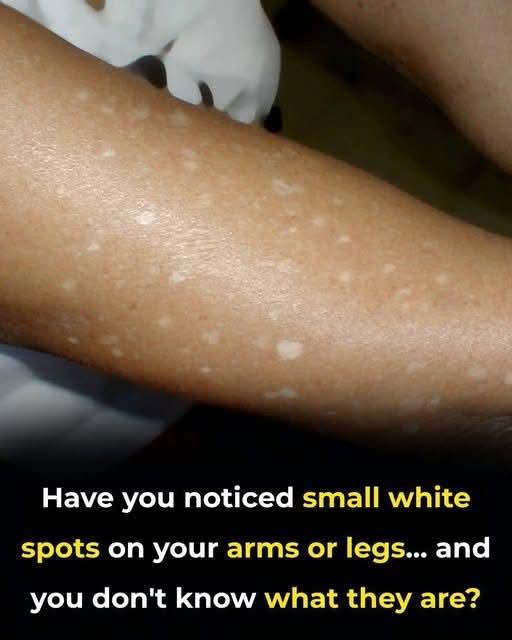
Idiopathic guttate hypomelanosis (IGH) is a common, harmless skin condition that causes small white spots on the skin—most often in adults.
What it looks like
- Tiny white or light-colored “confetti-like” spots
- Usually 2–5 mm in size
- Most commonly appears on:
- Forearms
- Shins (front of lower legs)
- Sometimes face or shoulders
- Spots are flat, not itchy, not painful
Why it happens
The exact cause isn’t fully known (“idiopathic” means unknown cause), but it’s strongly linked to:
- Long-term sun exposure (UV damage)
- Natural aging of the skin
- Gradual loss of pigment cells (melanocytes)
It is not contagious, not an infection, and not related to vitamin deficiency.
Who gets it
- More common after age 40–50
- Seen in both men and women
- More noticeable in people with lighter skin tones or long sun exposure history
Is it dangerous?
No. IGH is:
- Benign (harmless)
- Purely cosmetic
- Does not turn into skin cancer or spread internally
Treatment options (if desired)
There is no mandatory treatment, but cosmetic improvement options include:
- Sun protection (most important)
- Sunscreen SPF 30+ daily helps prevent more spots
- Topical creams
- Retinoids (like tretinoin) may slightly improve texture over time
- Procedures (dermatologist-based)
- Laser therapy (fractional lasers)
- Cryotherapy in selected spots
- Microdermabrasion (less common)
Results vary—complete removal is usually difficult.
When to see a doctor
You should get checked if:
- Spots are rapidly increasing
- Lesions are irregular or changing
- You’re unsure if it’s IGH or another condition (like vitiligo or fungal infection)
If you want, I can help you tell the difference between IGH, vitiligo, and fungal white patches based on symptoms or photos.
