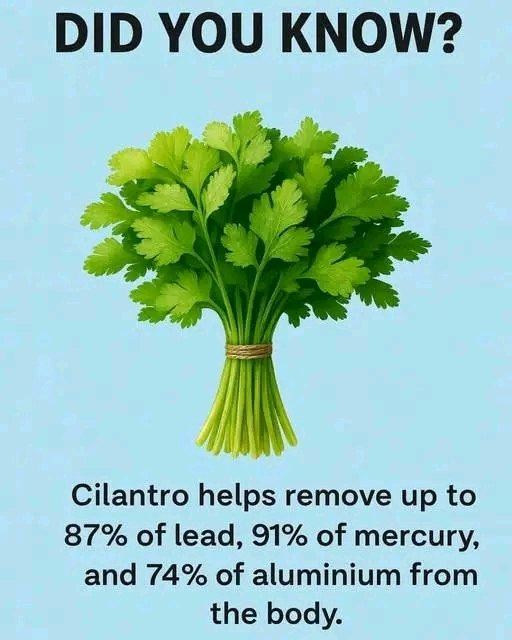
Coriander (Coriandrum sativum) 🌿
Coriander is an herb used worldwide for its leaves (often called cilantro) and seeds. Both parts have distinct flavors and uses in cooking and medicine.
🌿 Key Facts About Coriander
1. Parts Used
- Leaves (Cilantro): Fresh, aromatic, slightly citrusy flavor
- Seeds: Warm, nutty, slightly spicy, used whole or ground
2. Culinary Uses
- Leaves: Garnish for soups, curries, salads, salsas, and sandwiches
- Seeds: Spice in curries, stews, pickles, and baked goods
- Roots: Used in some Asian cuisines for sauces and pastes
3. Health Benefits
- Rich in antioxidants and vitamins (C, K, A)
- May aid digestion and relieve bloating
- Blood sugar management: Some studies suggest it helps regulate glucose
- Anti-inflammatory and antimicrobial properties
4. Growing Tips
- Prefers full sun and well-drained soil
- Easy to grow in pots or garden beds
- Harvest leaves before flowering for best flavor
5. Fun Facts
- Coriander has been used since ancient Egypt
- Known as cilantro in the Americas (leaves) and coriander in Europe (seeds)
- Flavor can be polarizing: some people perceive it as soapy due to genetics
💡 Tip:
To preserve fresh coriander leaves, store in water like a bouquet or freeze chopped leaves in ice cube trays with water or olive oil.
If you want, I can make a list of 5 quick and tasty ways to use coriander in meals—from drinks to main dishes—for maximum flavor and health benefits.
