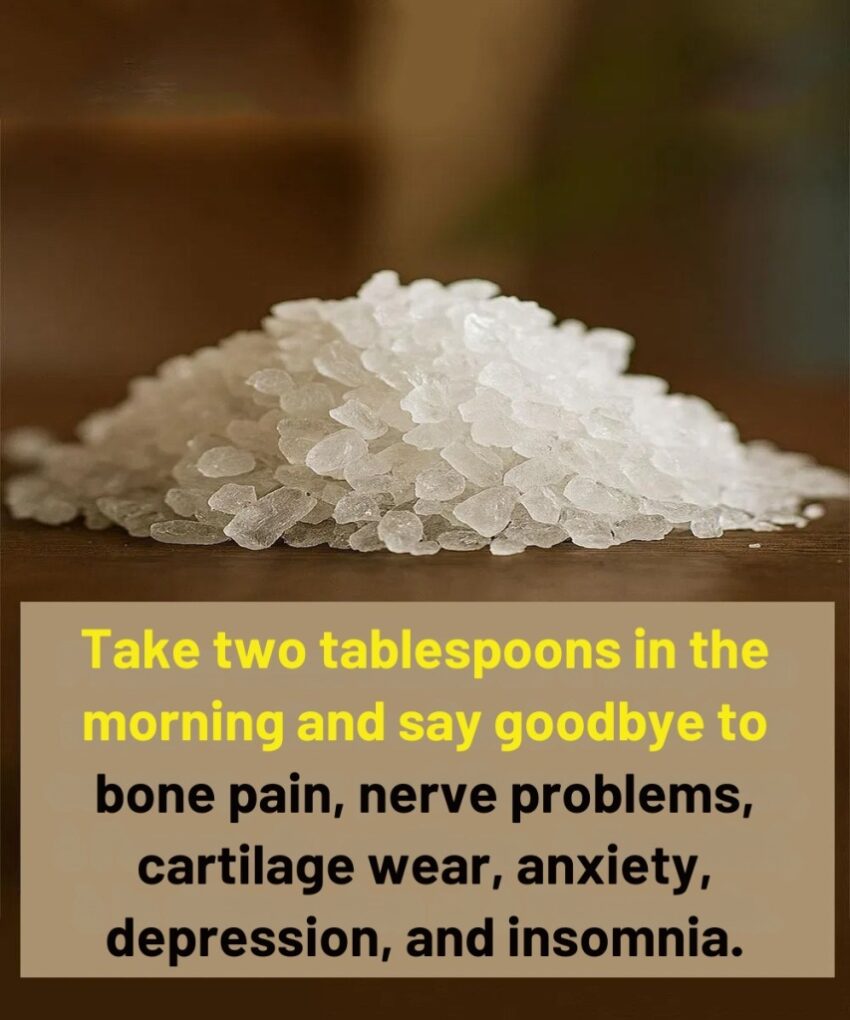
Ah, baking! Sodium chloride (table salt) plays a surprisingly important role beyond just flavor. Here’s why bakers use it:
🍰 Roles of Salt in Baking
- Flavor enhancer
- Salt balances sweetness and brings out the natural flavors of ingredients like chocolate, butter, and fruits.
- It prevents baked goods from tasting flat or bland.
- Controls yeast fermentation
- In bread-making, salt slows down yeast activity slightly, giving dough more time to rise and develop flavor.
- Too little salt → bread can rise too quickly and taste bland; too much → dough struggles to rise.
- Strengthens gluten
- Salt tightens the gluten network in wheat-based doughs, improving structure and texture.
- This gives bread a chewier, more elastic crumb.
- Improves crust color
- Salt interacts with sugars and proteins during baking, helping create a golden-brown, flavorful crust.
- Preservation
- Salt in baked goods slightly extends shelf life by inhibiting microbial growth.
💡 Tip: Even in sweet baked goods like cookies or cakes, a pinch of salt can make the flavors “pop” and prevent them from tasting overly sweet.
If you want, I can give a tiny table showing exactly how salt affects different types of baked goods—bread, cookies, cakes—so it’s super visual and easy to remember. Do you want me to do that?
