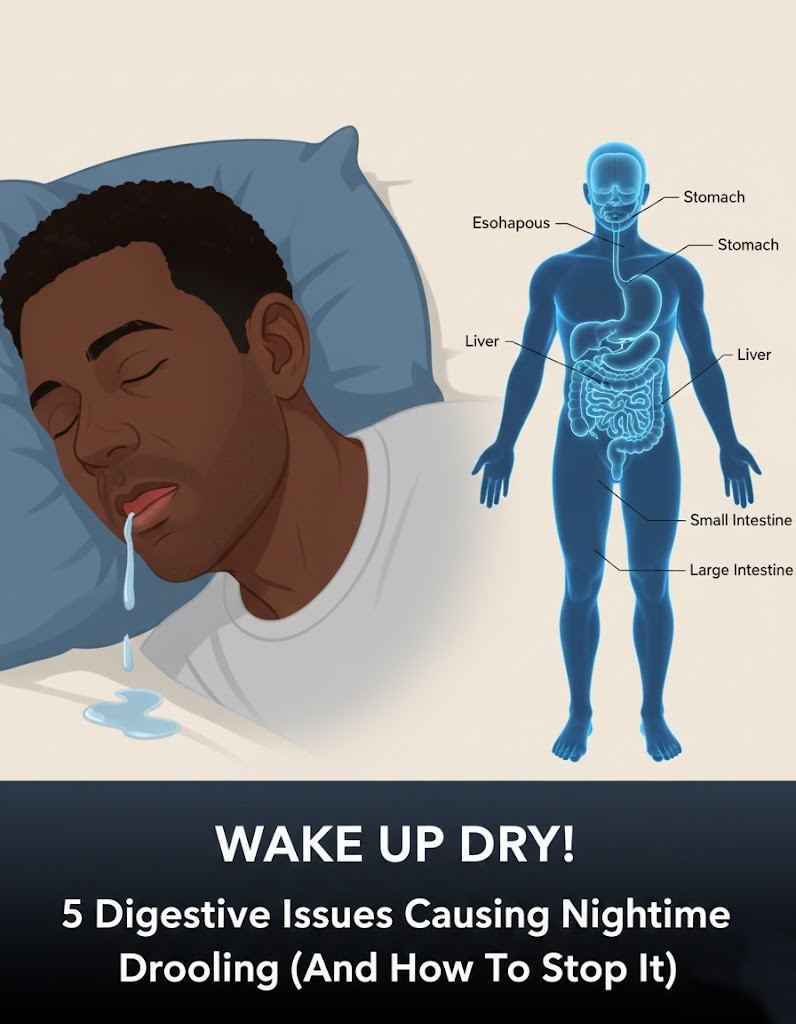
Drooling during sleep can seem harmless, but in some cases it may signal an underlying issue. Medically, excessive saliva or drooling is called Sialorrhea. While it often happens due to sleep position or relaxation of facial muscles, persistent drooling can occasionally act as a warning sign.
Here are some possible reasons behind nighttime drooling 😴
1. Sleeping position
Sleeping on your side or stomach can allow saliva to escape from the mouth more easily. This is the most common cause and usually harmless.
2. Nasal congestion or sinus problems
Conditions like Sinusitis or Allergic rhinitis can block nasal breathing, forcing you to breathe through your mouth, which increases drooling.
3. Acid reflux
People with Gastroesophageal reflux disease (GERD) may produce extra saliva as the body tries to neutralize stomach acid.
4. Sleep disorders
Excess drooling can sometimes occur with Obstructive sleep apnea, a condition where breathing repeatedly stops during sleep.
5. Medication side effects
Some medicines can increase saliva production, including Clozapine and certain sedatives.
6. Neurological conditions (less common)
Persistent drooling during the day or night may occur with neurological disorders affecting muscle control, such as:
- Parkinson’s disease
- Stroke
These conditions affect swallowing and facial muscle coordination.
✅ Simple ways to reduce nighttime drooling
- Sleep on your back instead of your side.
- Treat nasal congestion or allergies.
- Maintain good oral hygiene.
- Elevate your head slightly while sleeping.
⚠️ When to see a doctor
Consider medical advice if drooling is:
- Severe or worsening
- Occurring during the day
- Accompanied by snoring, choking, or breathing pauses during sleep
💡 Bottom line:
Occasional drooling during sleep is common and usually harmless, but persistent or excessive drooling may indicate an underlying health issue that deserves attention.
