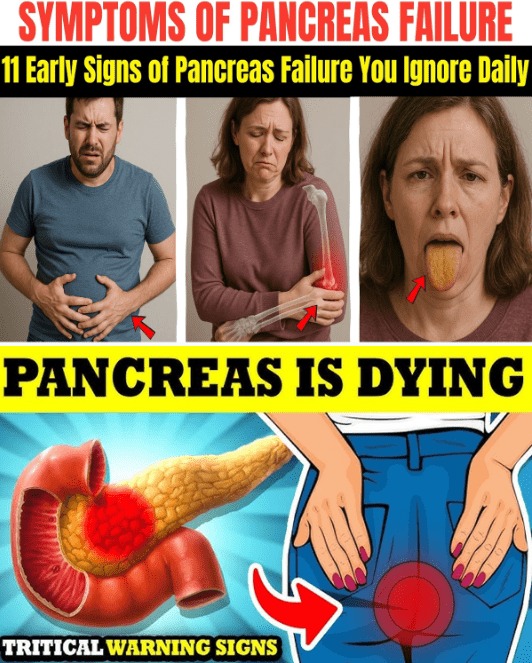
🩺 Pancreatitis: Symptoms, Causes & Treatment
Pancreatitis is inflammation of the pancreas—a gland behind your stomach that helps with digestion and blood sugar control. It can be acute (sudden) or chronic (long-term).
⚠️ Symptoms
Acute Pancreatitis
- Severe upper abdominal pain (may spread to the back)
- Nausea and vomiting
- Fever
- Rapid pulse
- Tender abdomen
Chronic Pancreatitis
- Ongoing abdominal pain
- Weight loss without trying
- Oily, foul-smelling stools (malabsorption)
- Possible signs of Diabetes
🔍 Causes
The most common causes include:
- Gallstones blocking the pancreatic duct
- Heavy alcohol use
- High triglyceride levels
- Certain medications
- Abdominal injury or surgery
- Infections
- Genetic conditions
Chronic cases are often linked to long-term alcohol use or repeated acute episodes.
🧪 Diagnosis
Doctors may use:
- Blood tests (to check enzyme levels like amylase/lipase)
- Imaging (ultrasound, CT scan)
- Endoscopic procedures in some cases
💊 Treatment
Acute Pancreatitis
- Hospital care (often required)
- IV fluids and pain management
- Fasting to rest the pancreas
- Treating the underlying cause (e.g., removing gallstones)
Chronic Pancreatitis
- Long-term pain management
- Pancreatic enzyme supplements
- Dietary changes (low-fat diet)
- Managing complications like Diabetes
🥗 Lifestyle & Prevention
- Limit or avoid alcohol
- Eat a healthy, low-fat diet
- Maintain normal triglyceride levels
- Stay hydrated
🚨 When to Seek Help
Get immediate medical attention if you have:
- Severe, persistent abdominal pain
- Vomiting with fever
- Yellowing of skin/eyes (jaundice)
If you want, I can break down what foods to eat/avoid with pancreatitis or explain how serious it can get in simple terms.
