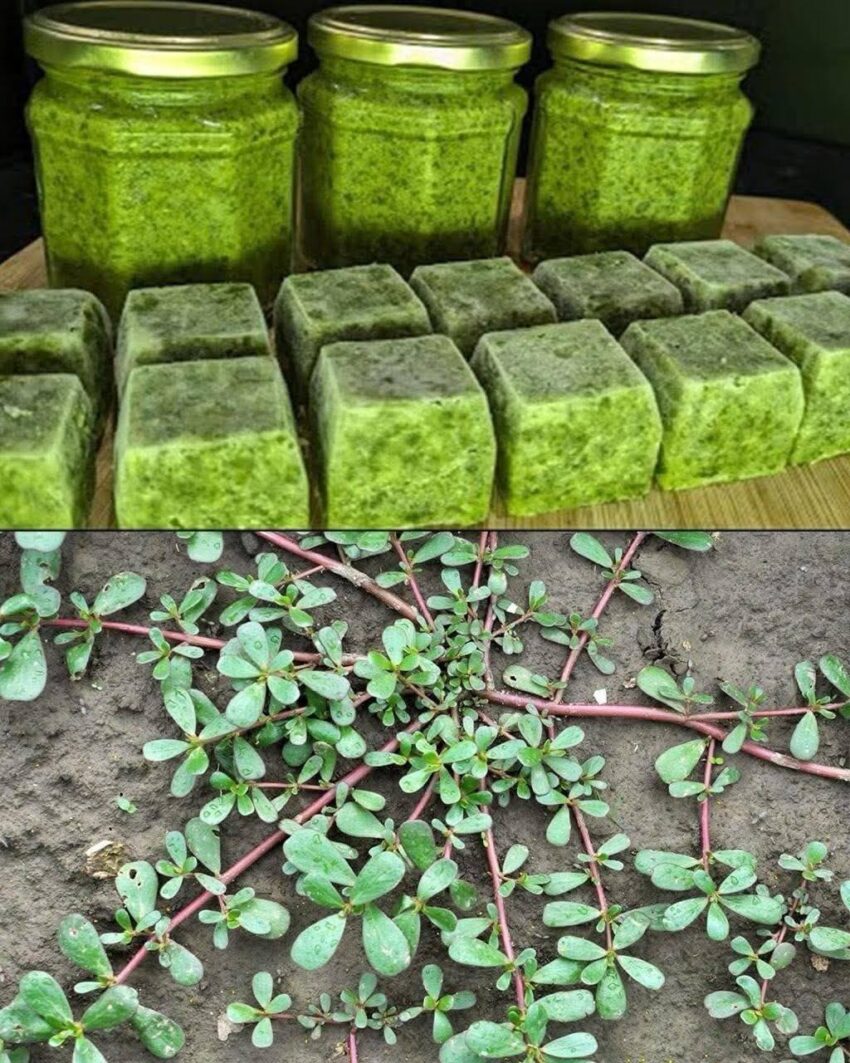
🌿 Common Purslane
Common purslane is a wild, edible plant often mistaken for a weed—but it’s actually one of the most nutrient-dense greens you can eat.
🌱 What It Is
- Scientific name: Portulaca oleracea
- Grows in gardens, roadsides, and fields worldwide
- Thick, juicy leaves with a slightly lemony, salty taste
🥗 Nutritional Powerhouse
Purslane is unusually rich in:
- 🧠 Omega-3 fatty acids (ALA) — rare for a plant
- 🛡️ Antioxidants (vitamin C, vitamin E, beta-carotene)
- 🦴 Magnesium, potassium, iron
- 🌿 Plant compounds like betalains (anti-inflammatory)
👉 It’s considered one of the best plant sources of omega-3s.
❤️ Health Benefits (Science-Based)
1. Supports Heart Health
- Helps lower bad cholesterol (LDL)
- Omega-3s reduce inflammation
🩸 2. Helps Regulate Blood Sugar
- May improve insulin sensitivity
- Useful for people with Type 2 Diabetes
🛡️ 3. Anti-Inflammatory Effects
- Rich in antioxidants that fight oxidative stress
🧠 4. Brain Support
- Omega-3 fatty acids support cognitive function
🌿 5. Good for Digestion
- Contains fiber and soothing compounds
⚠️ Important Caution
Oxalates (Kidney Stone Risk)
Purslane is high in oxalates.
👉 People prone to:
- Kidney Stones
Should:
- Eat in moderation
- Avoid excessive daily intake
🍽️ How to Eat Purslane
- 🥗 Raw in salads (crisp and tangy)
- 🍳 Stir-fried like spinach
- 🥣 Added to soups or daal
- 🫓 Mixed into paratha or chutney (common in South Asia)
⚠️ Don’t Confuse With Toxic Lookalikes
Purslane can resemble spurge, which is poisonous.
👉 Key difference:
- Purslane: thick, succulent leaves + reddish stems
- Spurge: thin leaves + milky sap (toxic)
🧠 Bottom Line
✔ Highly nutritious “super green”
✔ Supports heart, sugar control, and inflammation
⚠️ Eat moderately if you’re prone to kidney stones
If you want, I can show how purslane compares to spinach or methi in nutrition—it’s surprisingly competitive.
