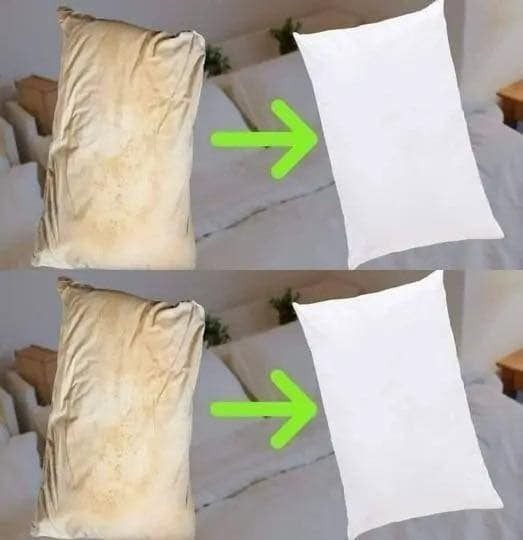
Cleaning dirty bed pillows properly helps remove sweat, dust, and odors—and also improves hygiene and sleep quality. Here’s a simple step-by-step guide 👇
🛏️ Step 1: Check the pillow type
Before washing, always check the label:
- 🧺 Polyester / cotton pillows → machine washable
- 🪶 Feather pillows → gentle wash required
- 🧽 Memory foam / latex pillows → ❌ do NOT machine wash (spot clean only)
🧺 Step 2: Machine washing (safe pillows)
What you need:
- Mild liquid detergent
- Warm water (not hot)
- Optional: extra rinse cycle
Steps:
- Remove pillow covers
- Wash 2 pillows together (balances machine)
- Use gentle or bulky cycle
- Add extra rinse to remove detergent fully
- Spin well to remove water
☀️ Step 3: Drying (VERY important)
Poor drying causes smell and mold.
- Tumble dry on low heat
- Add tennis balls or dryer balls to keep fluffiness
- Or sun-dry outdoors, flipping regularly
👉 Make sure the pillow is fully dry inside, not just outside
🧽 Step 4: Hand washing (if needed)
- Fill tub with warm water + mild detergent
- Soak pillow and gently press (don’t twist hard)
- Rinse several times until water is clear
- Press out water gently
- Air dry completely
🧼 Step 5: Memory foam pillows (special care)
- Vacuum surface dust
- Spot clean with mild soap + damp cloth
- Air dry in shade (never soak or machine wash)
💡 Extra cleaning tips
- Wash pillows every 3–6 months
- Use pillow protectors to reduce dirt buildup
- Add baking soda before washing to remove odor
- Sunlight helps kill bacteria naturally
✔️ Bottom line
Most pillows can be cleaned at home safely if you use the right method and dry them completely.
If you want, tell me your pillow type (foam, fiber, feather), and I’ll give you the exact safest method for that specific one.
