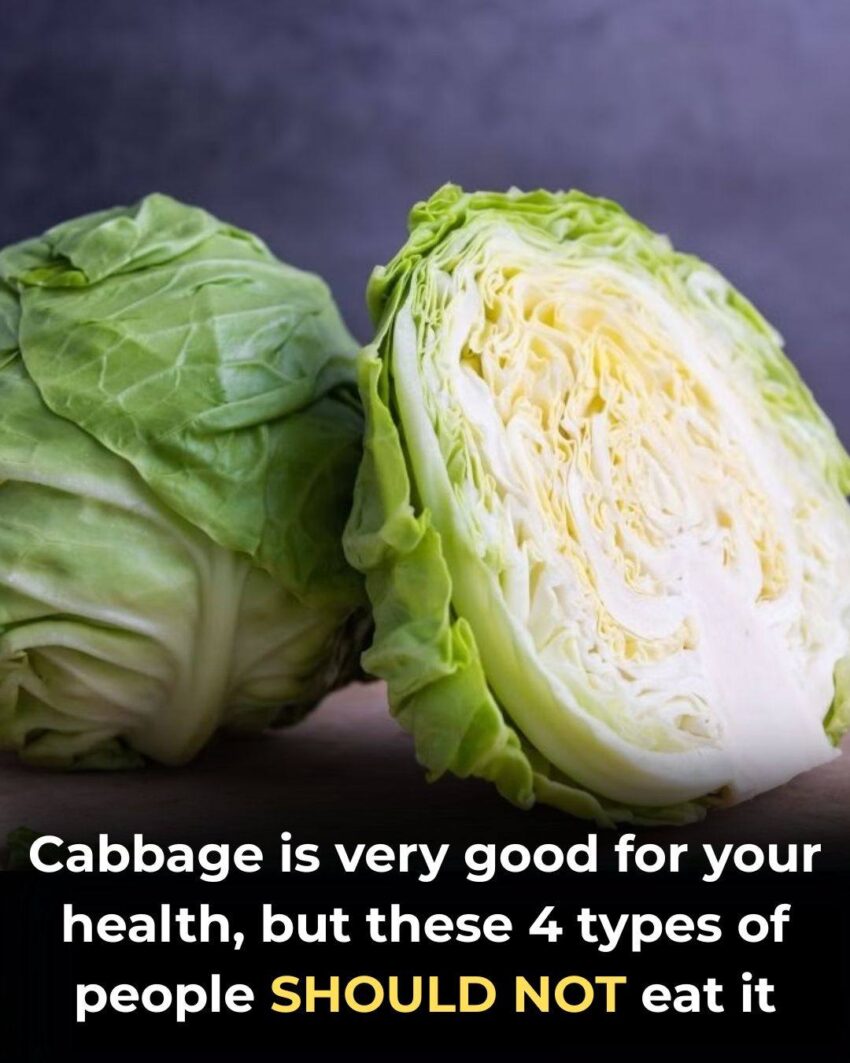
Here’s a helpful guide for cooking and using cabbage—a versatile, nutritious veggie 🥬
Types of Cabbage
- Green cabbage: Mild flavor, great for soups, slaws, and sautés.
- Red cabbage: Slightly peppery, beautiful for salads and braising.
- Savoy cabbage: Tender, curly leaves, excellent for stuffing or stir-fries.
- Napa cabbage: Soft and mild, perfect for Asian dishes like stir-fry or kimchi.
Basic Preparation
- Remove outer leaves
- Discard any wilted or damaged leaves.
- Rinse
- Wash under cold running water to remove dirt or insects.
- Cutting methods
- Shredded: Slice thinly for coleslaw or stir-fry.
- Chopped: Dice for soups, stews, or sautés.
- Wedges: Quarter for roasting or braising.
Cooking Methods
1. Sautéed Cabbage
- Heat 1–2 tbsp oil or butter in a skillet.
- Add shredded cabbage and cook 5–8 minutes until tender.
- Season with salt, pepper, and a splash of vinegar or soy sauce.
2. Boiled/Steamed Cabbage
- Boil water or broth, add cabbage wedges, cover, and cook 5–10 minutes.
- Drain and season with butter, salt, and pepper.
3. Roasted Cabbage
- Preheat oven to 400°F (200°C).
- Brush wedges or slices with oil, sprinkle with salt, pepper, and optional paprika.
- Roast 20–25 minutes until caramelized at edges.
4. Stuffed Cabbage
- Blanch large leaves in boiling water 2–3 minutes.
- Fill with meat, rice, or veggie mixture.
- Roll, place in a sauce (tomato or broth), and bake or simmer.
5. Raw
- Shred finely for slaw or salads.
- Toss with vinaigrette, apple, carrot, or nuts for crunch.
Tips & Flavor Boosters
- Add a splash of vinegar or lemon juice to brighten flavor.
- Caramelize with onions and bacon for a richer taste.
- Combine with potatoes, carrots, or apples for a hearty side.
- Red cabbage pairs well with balsamic vinegar or wine reductions.
If you want, I can give a quick, easy sautéed cabbage recipe with garlic and bacon that’s ready in under 15 minutes.
