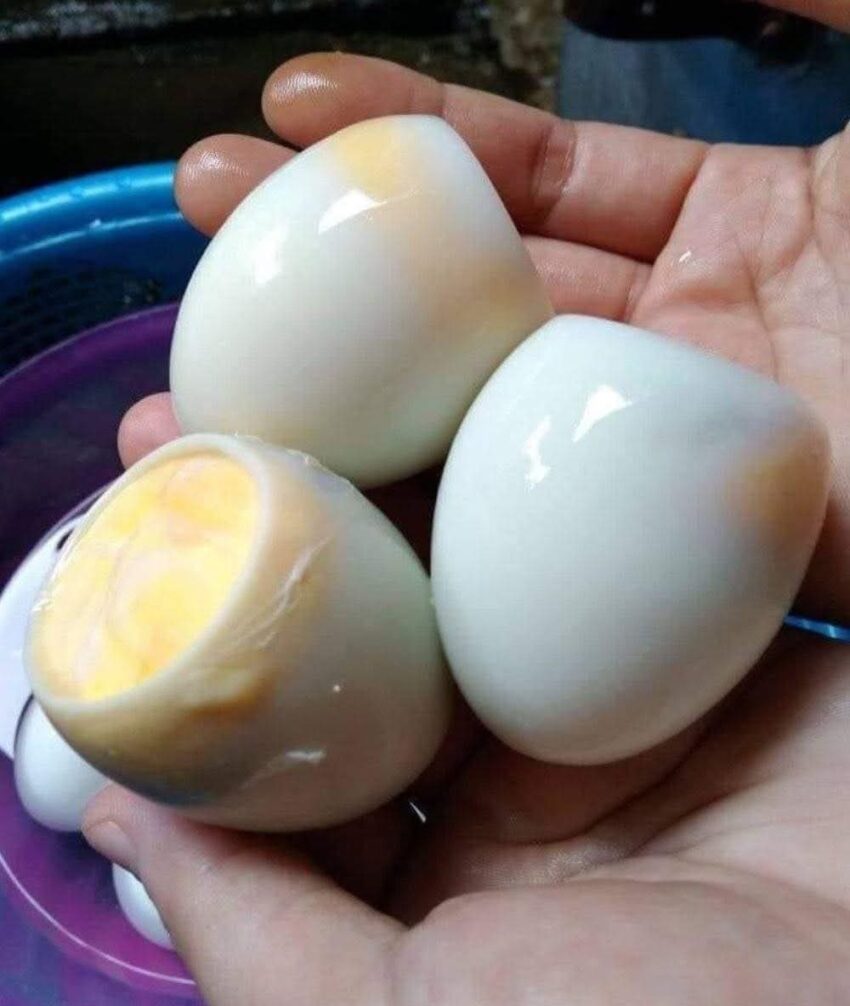
Here’s a detailed guide to boiled eggs, including tips for perfect results:
🥚 What a Boiled Egg Is
- Boiled eggs are eggs cooked in their shells in boiling water.
- Can be soft-boiled (runny yolk), medium, or hard-boiled (fully set yolk).
- Nutritious and versatile—great for snacks, salads, or breakfast.
🌟 Nutritional Highlights (per large egg, ~50g)
- Calories: 70
- Protein: 6g
- Fat: 5g (mostly healthy fats)
- Cholesterol: 185mg
- Vitamins & Minerals: B12, riboflavin, selenium, phosphorus, vitamin D
👩🍳 How to Boil Eggs
1. Soft-Boiled (runny yolk)
- Place eggs in a saucepan and cover with cold water.
- Bring to a boil, then reduce to a simmer.
- Simmer 4–6 minutes.
- Immediately transfer to ice water to stop cooking.
2. Medium-Boiled
- Simmer 7–9 minutes and cool in ice water.
3. Hard-Boiled (fully set yolk)
- Simmer 10–12 minutes, then cool in ice water.
💡 Tips for Perfect Boiled Eggs
- Use slightly older eggs for easier peeling.
- Add a pinch of salt or vinegar to water to prevent cracking.
- Cooling eggs in ice water makes peeling easier.
- Store peeled hard-boiled eggs in the fridge up to 5 days.
🍳 Ways to Enjoy
- Breakfast: Halved with avocado, toast, or seasoning.
- Salads: Chop for Cobb salad, egg salad, or grain bowls.
- Snacks: Sprinkle with paprika, pepper, or everything bagel seasoning.
- Deviled eggs: Mix yolk with mayo, mustard, and spices for a party treat.
If you want, I can give a step-by-step guide for creamy, easy-to-peel hard-boiled eggs that are perfect every time.
