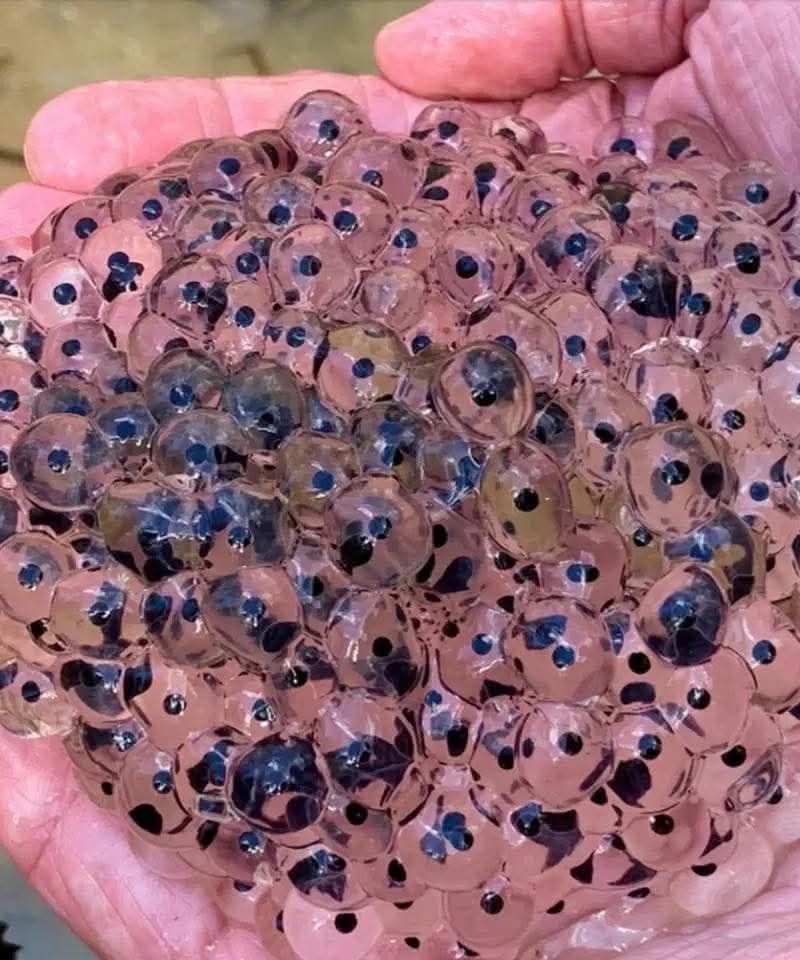
Ah, the common frog 🐸—a classic amphibian found across much of Europe and parts of Asia. Here’s a detailed overview:
🐸 Common Frog Basics
- Scientific name: Rana temporaria
- Size: 6–9 cm (2.5–3.5 in) long
- Lifespan: ~5–10 years in the wild
- Habitat: Ponds, lakes, gardens, damp woodlands
- Activity: Active mainly in spring and summer; hibernates in winter
Appearance
- Smooth skin, usually brown, olive, or green with dark blotches
- Paler underside (cream or yellowish)
- Long, strong hind legs for jumping and swimming
Diet
- Carnivorous: eats insects, slugs, worms, spiders, and other small invertebrates
- Tadpoles are mostly herbivorous, feeding on algae
Reproduction
- Breeds in early spring
- Lays 1,000–4,000 eggs in water, in clumps called spawn
- Eggs hatch in 2–3 weeks into tadpoles
- Tadpoles metamorphose into frogs in 6–12 weeks
Behavior & Fun Facts
- Can jump up to 2 meters (6.5 ft) in a single leap
- Breathes through skin as well as lungs
- Can survive freezing temperatures by producing “antifreeze” chemicals in winter
- Predators include birds, snakes, fish, and mammals
✅ Conservation
- Common frogs are widespread and not currently endangered
- Sensitive to pollution, habitat loss, and garden chemicals
If you want, I can also give you a simple guide to identifying common frogs vs other similar frogs and toads, so you can spot them in the wild.
Do you want me to do that?
