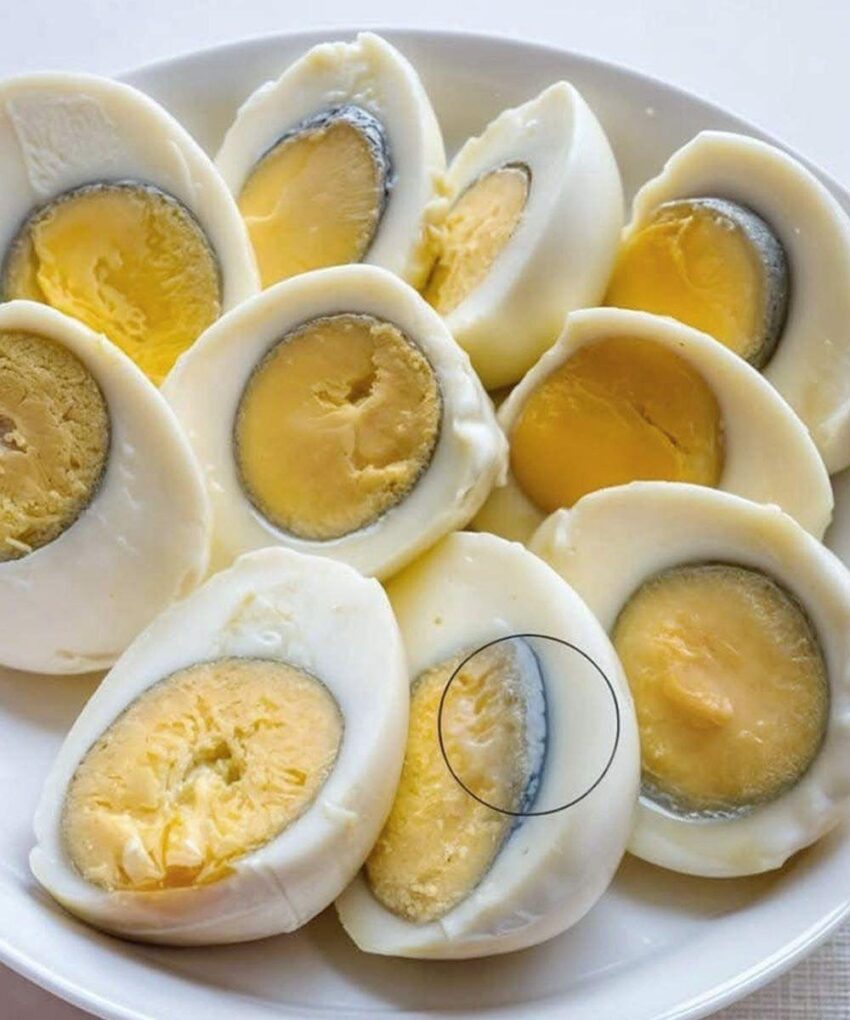
A boiled egg is an egg cooked in its shell in hot water until the inside becomes firm or semi-firm.
It comes from the egg of a Chicken, the most commonly consumed egg worldwide.
🥚 Types of boiled eggs
⏱️ Soft-boiled egg
- White is set, yolk is runny
- Cooked ~4–6 minutes
⏱️ Medium-boiled egg
- Slightly firm yolk, still creamy
- Cooked ~7–9 minutes
⏱️ Hard-boiled egg
- Fully firm white and yolk
- Cooked ~10–12 minutes
💪 Nutrition benefits
- High-quality protein
- Rich in vitamins B12, D, and A
- Contains iron, selenium, and choline
- Low in carbohydrates
🧠 Health notes
- Helps muscle building and repair
- Keeps you full for longer
- Often included in weight-loss diets
- One egg contains dietary cholesterol, but moderate intake is generally safe for most people
🍽️ Common uses
- Breakfast food
- Added to salads (e.g., egg salad)
- Sandwich fillings
- Snacks with salt or spices
⚠️ Tips
- Don’t overcook (can cause green ring around yolk)
- Store boiled eggs in the fridge if not eaten immediately
- Peel under running water for easier shell removal
✔️ Bottom line
Boiled eggs are a simple, nutritious, high-protein food that supports energy, muscle health, and satiety.
If you want, I can compare boiled egg vs fried egg vs omelet nutrition 👍
