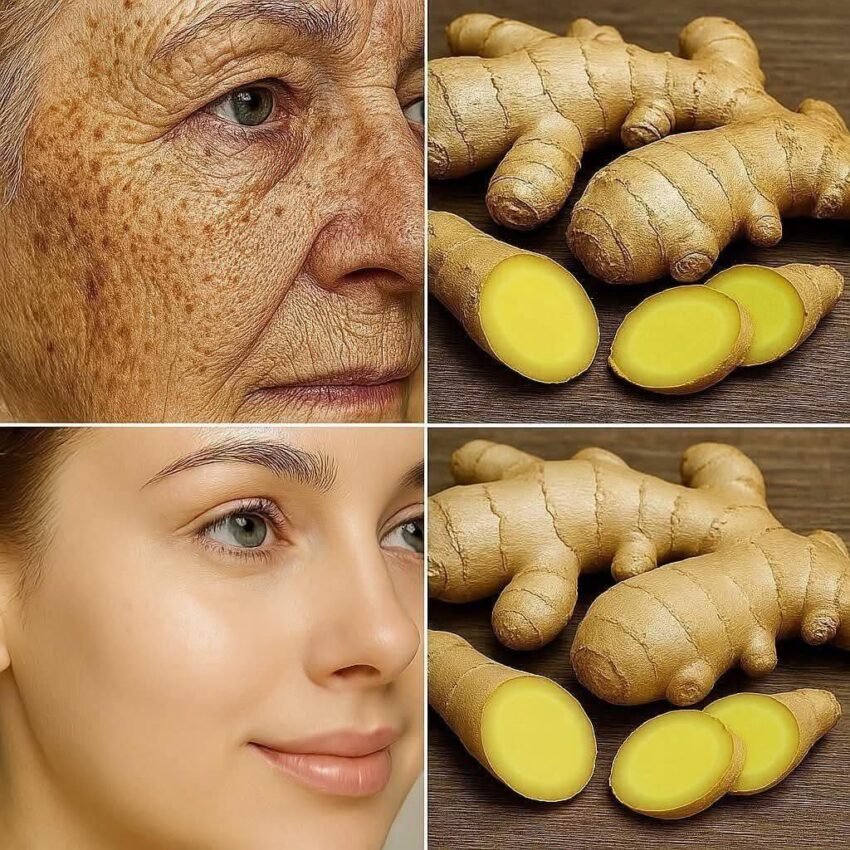
Ginger is a spicy, aromatic root widely used in cooking and traditional medicine.
What it is
Ginger comes from the underground stem (rhizome) of the plant Zingiber officinale. It can be used:
- Fresh
- Dried (powdered)
- Pickled
- As oil or extract
Common uses
In food
- Tea (ginger tea)
- Curries and biryani
- Soups and stir-fries
- Baking (cakes, biscuits)
In drinks
- Ginger tea
- Ginger ale / herbal drinks
Health benefits (evidence-based)
Ginger is known to help with:
- Nausea relief (motion sickness, pregnancy nausea)
- Digestion support
- Mild anti-inflammatory effects
- Cold and sore throat relief
Possible side effects (if too much)
- Heartburn
- Stomach irritation
- Increased bleeding risk in high doses (especially with blood thinners)
Simple way to use at home
- Slice 2–3 pieces of fresh ginger
- Boil in water for 5–10 minutes
- Add honey or lemon (optional)
Bottom line
Ginger is a safe, widely used natural ingredient with real benefits—especially for digestion and nausea—but it works best as part of a balanced diet, not as a “quick cure” for serious conditions.
If you want, I can show how ginger compares to garlic or turmeric for immunity and inflammation.
