Here’s a clear breakdown of 4 different profiles of cabbage and what makes each healthy and unique:
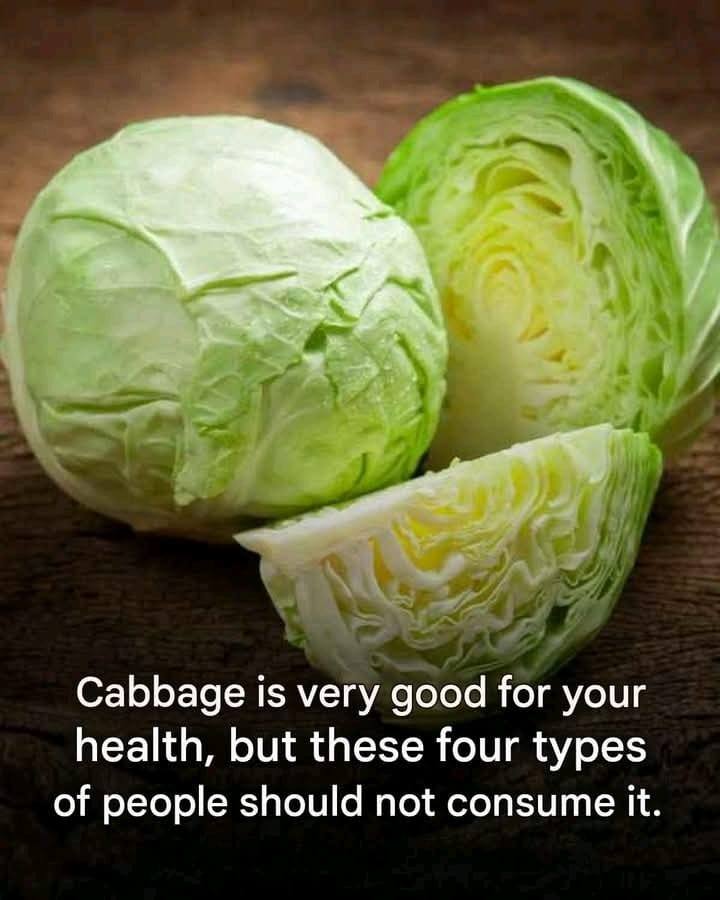
1. Green Cabbage
- Appearance: Light to medium green, tightly packed leaves.
- Taste: Mild and slightly peppery.
- Nutrition & Benefits:
- High in vitamin C and K
- Good source of fiber
- Supports digestion and heart health
- Uses: Salads, slaws, soups, steamed, or stir-fried.
2. Red (Purple) Cabbage
- Appearance: Deep purple-red leaves.
- Taste: Slightly earthier and crisper than green cabbage.
- Nutrition & Benefits:
- Rich in antioxidants (anthocyanins)
- Vitamin C, vitamin K, and fiber
- Anti-inflammatory properties
- Uses: Salads, pickling, sautés, or braised dishes.
3. Savoy Cabbage
- Appearance: Crinkly, tender, and darker green leaves.
- Taste: Mild and sweeter than green cabbage.
- Nutrition & Benefits:
- Easily digestible
- High in vitamin C and folate
- Gentle on the stomach
- Uses: Soups, stuffed cabbage rolls, stir-fries, or lightly steamed.
4. Napa (Chinese) Cabbage
- Appearance: Pale green, elongated leaves with white stems.
- Taste: Mild, slightly sweet, and crunchy.
- Nutrition & Benefits:
- High water content, low calorie
- Good source of vitamins A and C
- Contains calcium and potassium
- Uses: Kimchi, stir-fries, soups, and salads.
💡 Quick Tip: All cabbages are rich in fiber and antioxidants, making them excellent for digestion, heart health, and immunity. For variety, mix different types in salads or slaws for color and flavor.
If you like, I can make a simple chart comparing taste, texture, and health benefits for all four types—it makes choosing which to use in recipes super easy. Do you want me to do that?
