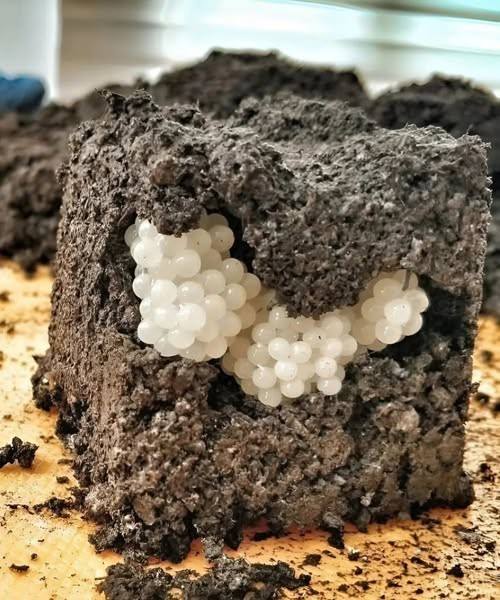
Pupa 🐛➡️🦋
A pupa is a stage in the life cycle of insects that undergo complete metamorphosis, such as butterflies, moths, beetles, and flies. It’s the transitional stage between the larva (caterpillar or grub) and the adult (imago).
🌿 Key Facts About the Pupa Stage
1. Definition
- The pupa is a non-feeding, usually immobile stage where the insect reorganizes its body.
- Inside, major transformation occurs: tissues, organs, and wings develop.
2. Protective Coverings
- Chrysalis: Hard, smooth shell typical of butterflies
- Cocoon: Silky protective layer spun by moths or some beetles
- Exarate pupae: Appendages free and visible (e.g., beetles)
- Obtect pupae: Appendages glued to the body (e.g., butterflies)
3. Duration
- Can last days, weeks, or months, depending on species and environmental conditions
- Some insects overwinter in the pupal stage
4. Significance
- Major transformation occurs: larval body breaks down (histolysis), adult structures form (histogenesis)
- Allows dramatic change in form and function, like a caterpillar becoming a butterfly
5. Examples
- Butterflies and moths: Caterpillar → Pupa → Adult butterfly/moth
- Beetles: Grub → Pupa → Beetle
- Flies: Maggot → Pupa → Adult fly
💡 Fun Fact:
The word “pupa” comes from Latin for “doll”, because pupae often look like a miniature adult insect.
If you want, I can make a simple visual guide of the insect life cycle, showing egg → larva → pupa → adult, which makes it super easy to understand.
