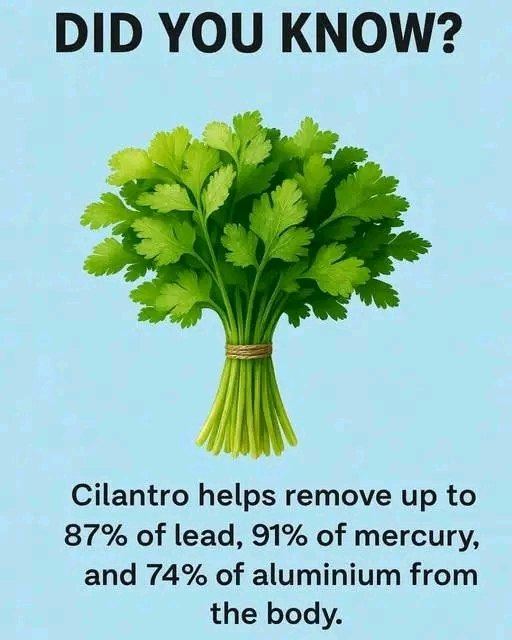
Coriander (Coriandrum sativum) 🌿
Coriander is a versatile herb used worldwide, known for its fresh leaves (cilantro) and dried seeds (coriander seeds). It has both culinary and medicinal uses.
🌿 Key Facts About Coriander
1. Parts of the Plant
- Leaves: Known as cilantro; used fresh in salads, salsas, and garnishes
- Seeds: Used whole or ground as a spice in curries, soups, and baking
- Roots: Used in Southeast Asian cooking for flavor
2. Flavor Profile
- Fresh leaves: citrusy, slightly peppery, sometimes soapy to some people (genetic trait)
- Seeds: warm, nutty, slightly citrusy
3. Culinary Uses
- Indian, Middle Eastern, and Mexican cuisines rely heavily on coriander
- Adds aroma to curries, soups, sauces, and meat marinades
- Cilantro is often added raw at the end for freshness
4. Health Benefits
- Antioxidant-rich: helps combat free radicals
- Digestive aid: seeds may reduce bloating and gas
- Blood sugar support: some studies suggest coriander may help regulate glucose
5. Fun Fact
- Coriander is one of the oldest recorded spices, used for over 3,000 years in Egypt, India, and Europe
If you want, I can make a list of quick ways to use coriander daily for flavor and health benefits—both leaves and seeds.
