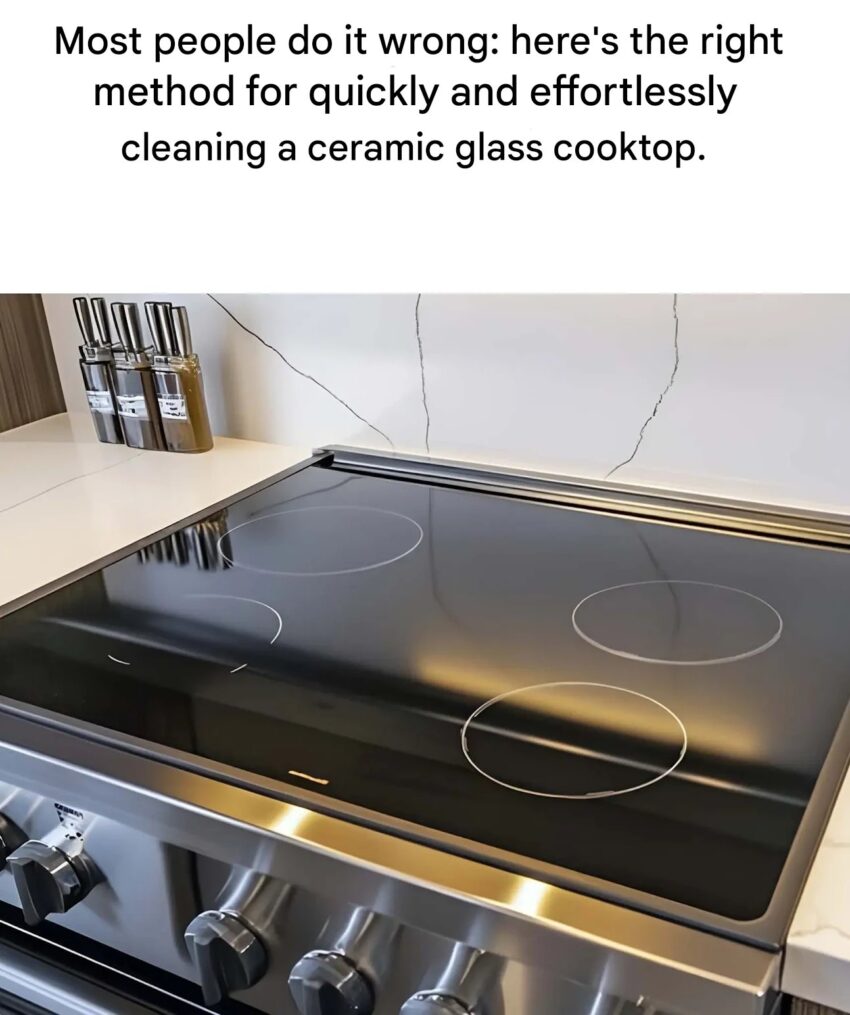
A ceramic glass cooktop is a sleek, flat cooking surface made of heat-resistant ceramic glass with heating elements underneath. It’s common in modern kitchens for its smooth design and easy cleaning. 🍳✨
Key Features
- Smooth Surface
- Flat and glossy, looks modern.
- Easy to wipe clean after cooking.
- Types of Heating
- Radiant electric: coils under the glass heat up and transfer heat to cookware.
- Induction (if labeled): uses magnetic fields to heat only the pan, not the cooktop itself.
- Controls
- Usually touch-sensitive or knob controls.
- Some have digital timers and temperature settings.
Pros
- Stylish, modern design
- Easy to clean (spills don’t get under burners)
- Even heating on flat cookware
- Works with most cookware (except induction, which needs magnetic pots)
Cons
- Can scratch easily—avoid dragging heavy pans
- Can crack under thermal shock (sudden temperature changes)
- Cookware must have a flat bottom for best heat contact
- Spills of sugary substances can caramelize and stick if not cleaned quickly
Tips for Use and Care
- Use flat-bottomed pots and pans for even heating.
- Avoid dragging cookware to prevent scratches.
- Clean spills immediately with a soft cloth or scraper (for sugary spills, wait until slightly cooled).
- Use cooktop cleaner or a gentle ceramic cooktop cleaner for stains.
- Avoid dropping heavy objects—they can crack the glass.
💡 Extra: If it’s an induction ceramic cooktop, only magnetic cookware works (cast iron, stainless steel). Non-magnetic cookware like aluminum or copper won’t heat properly unless it has a magnetic base.
If you want, I can also give a step-by-step guide on cleaning and maintaining a ceramic glass cooktop to keep it scratch-free and shiny.
