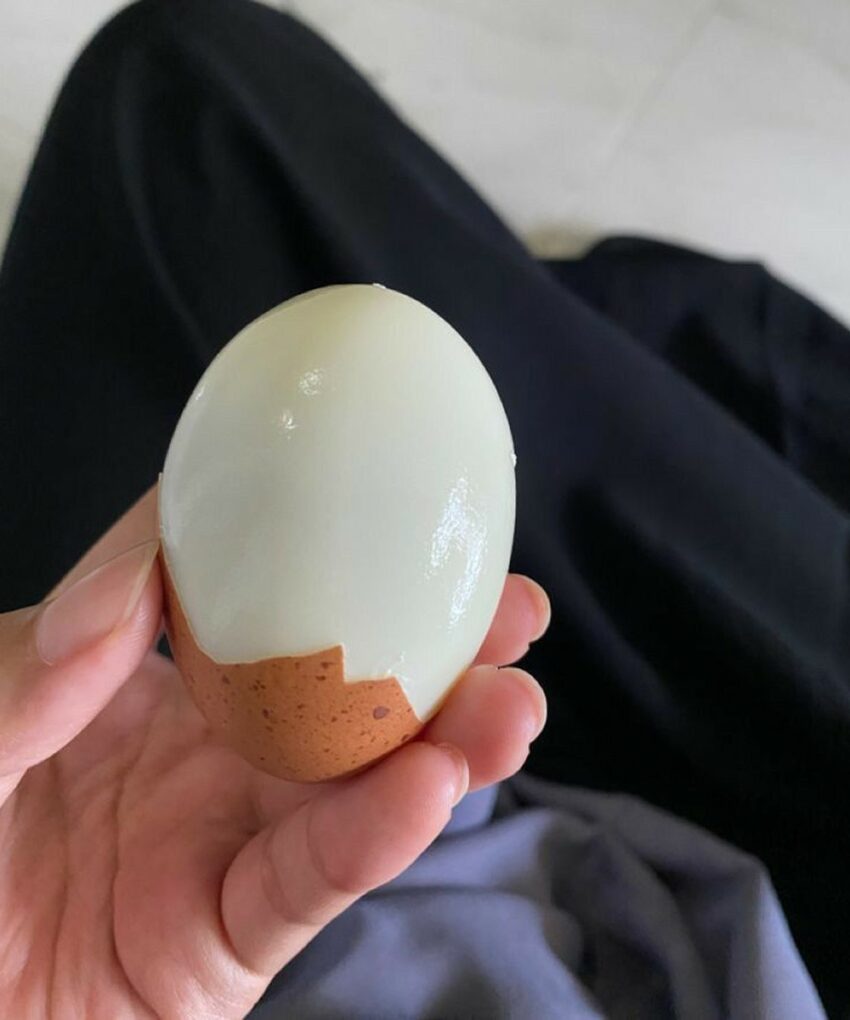
A boiled egg is one of the simplest and most nutritious ways to enjoy eggs. The cooking method affects texture and how easy the egg is to peel. Here’s a detailed guide:
1. Types of Boiled Eggs
| Type | Description | Cooking Time (from cold water) |
|---|---|---|
| Soft-boiled | Runny yolk, slightly set white | 4–6 minutes |
| Medium-boiled | Slightly creamy yolk | 7–9 minutes |
| Hard-boiled | Fully set yolk | 10–12 minutes |
Cooking times can vary depending on egg size and altitude.
2. How to Boil Eggs
Method 1: Stovetop
- Place eggs in a saucepan and cover with cold water (1 inch above eggs).
- Bring water to a rolling boil.
- Remove from heat and cover with a lid.
- Let eggs sit in hot water depending on desired doneness:
- Soft: 4–6 min
- Medium: 7–9 min
- Hard: 10–12 min
- Transfer eggs to ice water for 5–10 minutes to stop cooking and make peeling easier.
Method 2: Steaming
- Fill a pot with 1–2 inches of water and bring to a boil.
- Place eggs in a steamer basket, cover, and steam:
- Soft: 6 min
- Medium: 8–10 min
- Hard: 11–12 min
- Cool in ice water.
3. Tips for Perfect Boiled Eggs
- Older eggs peel more easily than very fresh eggs.
- To prevent a green ring around the yolk, avoid overcooking.
- Add a teaspoon of vinegar or salt to the water to make peeling easier and prevent cracks.
4. Nutritional Benefits
- High-quality protein (about 6–7g per egg)
- Vitamins: B12, B2 (riboflavin), D, and choline
- Minerals: Selenium, phosphorus, iodine
- Low calorie: ~70 calories per large egg
Boiled eggs are great for snacks, salads, breakfast, or meal prep because they store well in the fridge for up to one week.
I can also give a trick for peeling boiled eggs perfectly every time, which is a common struggle even for experienced cooks. Do you want me to share that trick?
