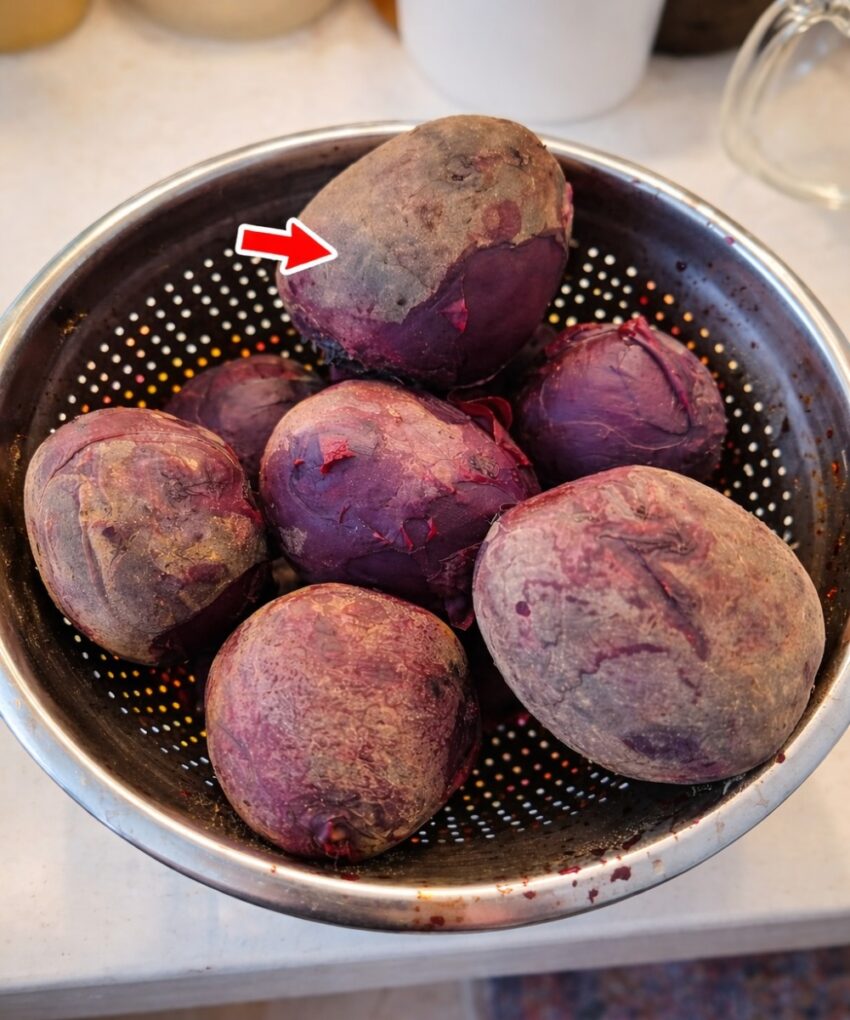
Beetroot (also called beets) is a root vegetable known for its deep red-purple color, earthy flavor, and impressive nutritional profile. It’s used in cooking, juices, salads, and even natural food coloring.
Key Facts:
- Nutrition (per 100g, raw):
- Calories: ~43
- Carbs: 10g
- Fiber: 2–3g
- Protein: 1.6g
- Rich in folate, manganese, potassium, vitamin C, and antioxidants like betalains.
- Flavor: Earthy, slightly sweet, and mildly bitter.
Health Benefits:
- Heart Health: Nitrates in beetroot can lower blood pressure and improve circulation.
- Anti-Inflammatory & Antioxidant: Contains betalains that combat oxidative stress.
- Digestive Health: Fiber promotes regularity and gut health.
- Athletic Performance: Natural nitrates can improve stamina and oxygen efficiency.
Culinary Uses:
- Raw: Grated into salads or smoothies.
- Roasted: Brings out sweetness; can be used in salads or as a side.
- Boiled/Steamed: Softens for mashing or adding to soups.
- Juiced: Beet juice is popular for energy and detox drinks.
- Pickled: Pickled beets are tangy and versatile for salads or sandwiches.
Tips:
- Cooking: To reduce color bleeding, cook beets whole with skins on; peel after cooking.
- Storage: Raw beets last several weeks in the fridge; cooked beets last about 5–7 days.
- Pairings: Goat cheese, citrus, walnuts, garlic, and herbs like thyme or dill complement beets well.
If you like, I can give a few easy and tasty beetroot recipes for salads, roasted sides, and drinks that make the most of its flavor and nutrition.
Do you want me to do that?
