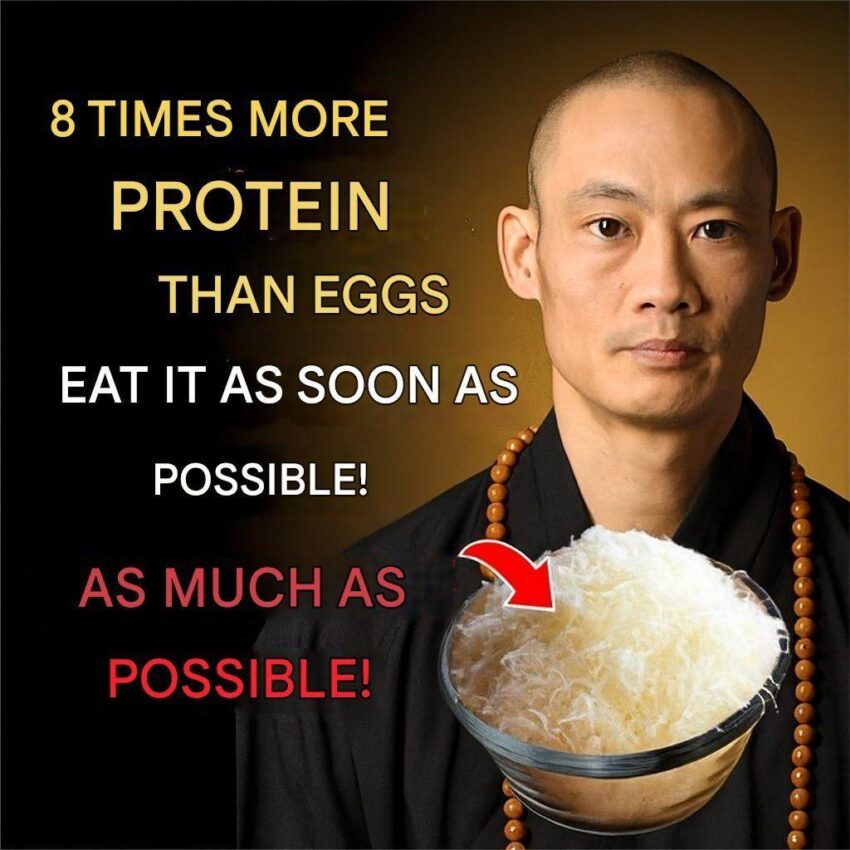
Here’s a detailed overview of bird’s nest soup, a rare and luxurious delicacy:
🌿 Basic Facts
- Origin: Traditional Chinese cuisine, highly prized in East Asia
- Main Ingredient: Edible nests of swiftlets, made from hardened saliva
- Appearance: Translucent, gelatinous when cooked
- Flavor: Mild, slightly sweet; primarily valued for texture and health benefits
🍽️ Nutritional & Medicinal Benefits
- Protein-rich: High in glycoproteins, which support tissue repair
- Amino acids: Contains essential amino acids for general health
- Skin benefits: Traditionally believed to promote glowing skin and anti-aging
- Immune support: Thought to improve respiratory health and boost immunity (though scientific evidence is limited)
🥄 How It’s Prepared
- Cleaning: Nests are soaked in water to remove feathers and impurities.
- Soaking: Typically soaked for several hours until soft.
- Cooking: Simmered gently in water, sometimes with rock sugar or broth, until gelatinous.
- Serving: Eaten as a sweet dessert soup or in savory broths.
⚠️ Notes & Tips
- Price: Extremely expensive due to the rarity of edible swiftlet nests.
- Authenticity: Always source from reputable suppliers—fake or adulterated nests exist.
- Cooking: Must be cooked gently; overboiling can destroy texture.
- Consumption: Often eaten in small portions as a tonic rather than a main dish.
💡 Fun Fact: Swiftlets build nests entirely from their saliva, which hardens when exposed to air. Bird’s nest soup has been valued in Chinese culture for over 400 years as a luxury tonic.
If you want, I can also make a list of modern variations of bird’s nest soup, including keto-friendly or fusion dessert versions.
Do you want me to do that?
