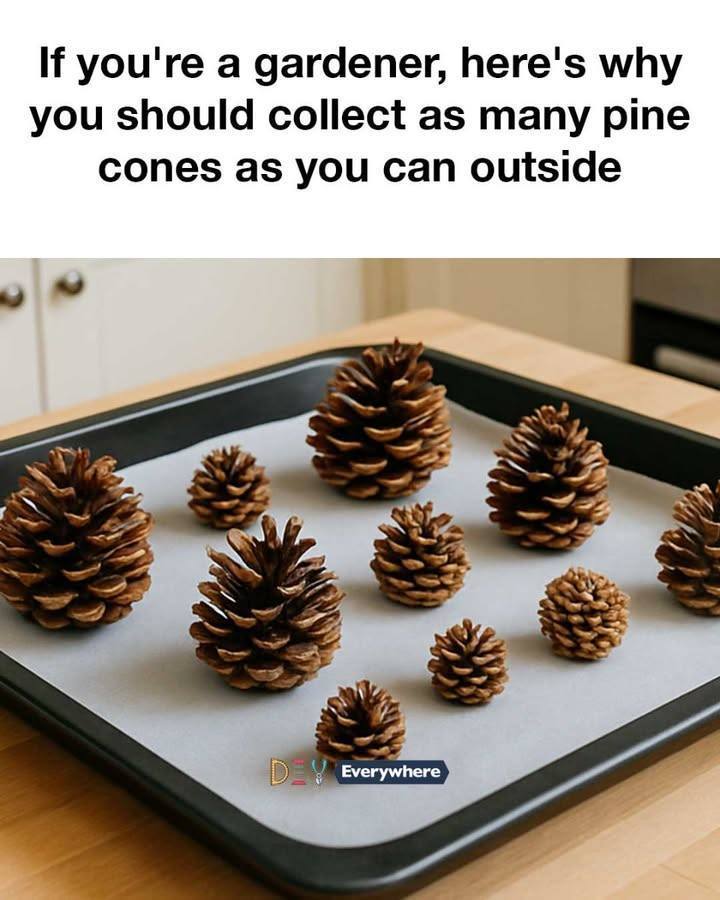
🌲 Pine refers to trees in the genus Pinus, part of the Pinaceae family. Pines are evergreen conifers known for their needle-like leaves, cones, and resin. They are found across the Northern Hemisphere and are important both ecologically and economically.
🌱 Key Facts
- Scientific genus: Pinus
- Type: Evergreen conifer
- Leaves: Needle-shaped, often in clusters of 2–5
- Reproduction: Seed-bearing cones (male pollen cones and female seed cones)
- Lifespan: Some species can live hundreds of years
- Habitat: Forests, mountains, sandy soils, and cold climates
🌳 Uses
- Wood & Construction
- Pinewood is soft, lightweight, and easy to work with, used for furniture, flooring, and building materials.
- Resin & Turpentine
- Pine resin is used to make turpentine, rosin, and varnishes.
- Culinary
- Young pine needles can be brewed into pine needle tea rich in vitamin C.
- Pine nuts (from certain species) are edible and used in cooking.
- Ornamental & Landscaping
- Pine trees are popular in gardens, parks, and as Christmas trees.
- Environmental
- Pines help prevent soil erosion, support wildlife, and contribute to carbon sequestration.
💡 Fun Fact:
Some pine species, like the Bristlecone Pine, are among the oldest living trees in the world, with some over 5,000 years old.
If you want, I can also make a list of common pine species and their uses—it’s interesting to see how different pines are used around the world.
